
Want to jump to the part of this blog post dealing with aviation and non-revving? If so, click here. Otherwise, read on and you’ll get to it toward the end.
This blog is mostly about flying to run. But occasionally I post about hikes instead of runs. Or trains instead of planes. This was to have been my first combo train-hike post. But a cyclone washed away the railway tracks on which I’d planned to ride, scuppering that plan. Still, I thought I’d post anyway about what became of the trip, including the hike — especially as, for one reason or another, I didn’t get to fly to any races in the last quarter of 2025.
I did get to do a couple of non-race trips during that time. The first was to Istanbul for a wedding. And the second — the focus of this post — was to Sri Lanka, departing on Thanksgiving. My wife and I were meeting our daughter who was headed down there after a wedding in Chandigarh in the Punjab region of India.
It was only when we were halfway to our destination — during a short stopover in London — that we learned about Cyclone Ditwah, one of a pair of cyclones battering parts of South and South East Asia in what was a rare weather event at that time of year.
What’s a cyclone?
“Cyclone” isn’t a term used to describe weather events that impact North America. The U.S. and neighboring countries deal with hurricanes instead. But “hurricanes,” “typhoons,” and “cyclones” are essentially the same weather phenomenon. They are large storm systems that revolve around an area of low pressure, producing heavy rain and wind speeds of around 75 mph or more. The difference is purely semantic.
For reasons that are unclear, the labels attached to such events differ depending on where in the world they occur. “Cyclones” are formed over the South Pacific and Indian Ocean. “Typhoons” are what happen in the Northwest Pacific. And “hurricanes” take place in the Northeast Pacific and Atlantic. There are parts of the world, including Europe, that escape this type of weather phenomenon entirely, so no label attaches in those regions.
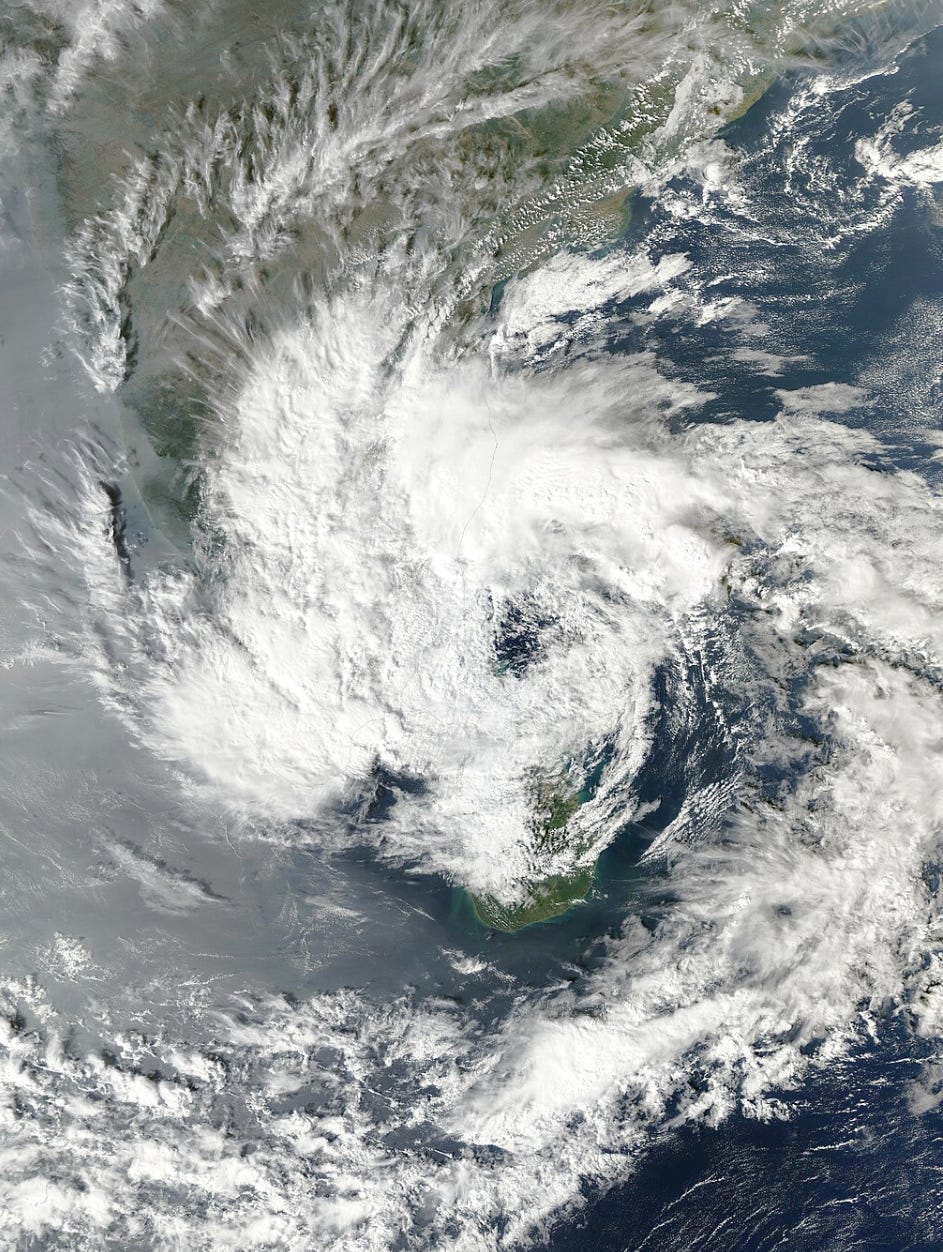
These weather systems spin counterclockwise in the Northern Hemisphere and clockwise in the Southern Hemisphere, incidentally. I wondered what would happen if one of them ever crossed the Equator, but that, apparently, is something that could never happen due to the laws of meteorological physics.
Change of plan
Cyclone Ditwah killed approximately 650 people in Sri Lanka. And it caused significant damage to infrastructure. By the time we landed, the storm had moved on — although the ocean was still rough — and many parts of the country were resuming somewhat normal life. However, the railways were still shut down. There are times when ethical traveling means staying away from areas hit by natural or other disasters. But there are others when supporting the local economy is the right thing to do.
The plan had been to travel by train from Colombo — the capital — to the south of the island, and then, after some r-’n’-r at a beach resort, to proceed by road to Ella, a town in the central mountains that’s a good base for hiking. From there, we would make one of the most spectacular railway journeys in Asia — taking the train from Ella to Kandy, which continues back to Colombo.
When we arrived at the start of our six-night stay on the island, we had hopes that the train from Ella might resume in time. We had reserved seats on the last day of our trip. But it turned out that the post-cyclone closure will last for months. So while we still covered the ground in our itinerary, vehicles had to substitute for the two rail segments. Even that was uncertain initially due to mudslides and other post-cyclone damage.


The hike to Ella Rock
The classic hike for visitors to Ella is the trek up to Ella Rock. It’s about six miles round trip and is of moderate difficulty. You could walk to the trailhead from Ella, but that would take you along roads better suited to vehicles than pedestrians. So it makes more sense to get a ride to Kithalella Station, a few miles away. From there, you begin the hike following the railway track for a while before making a left turn into the hills.
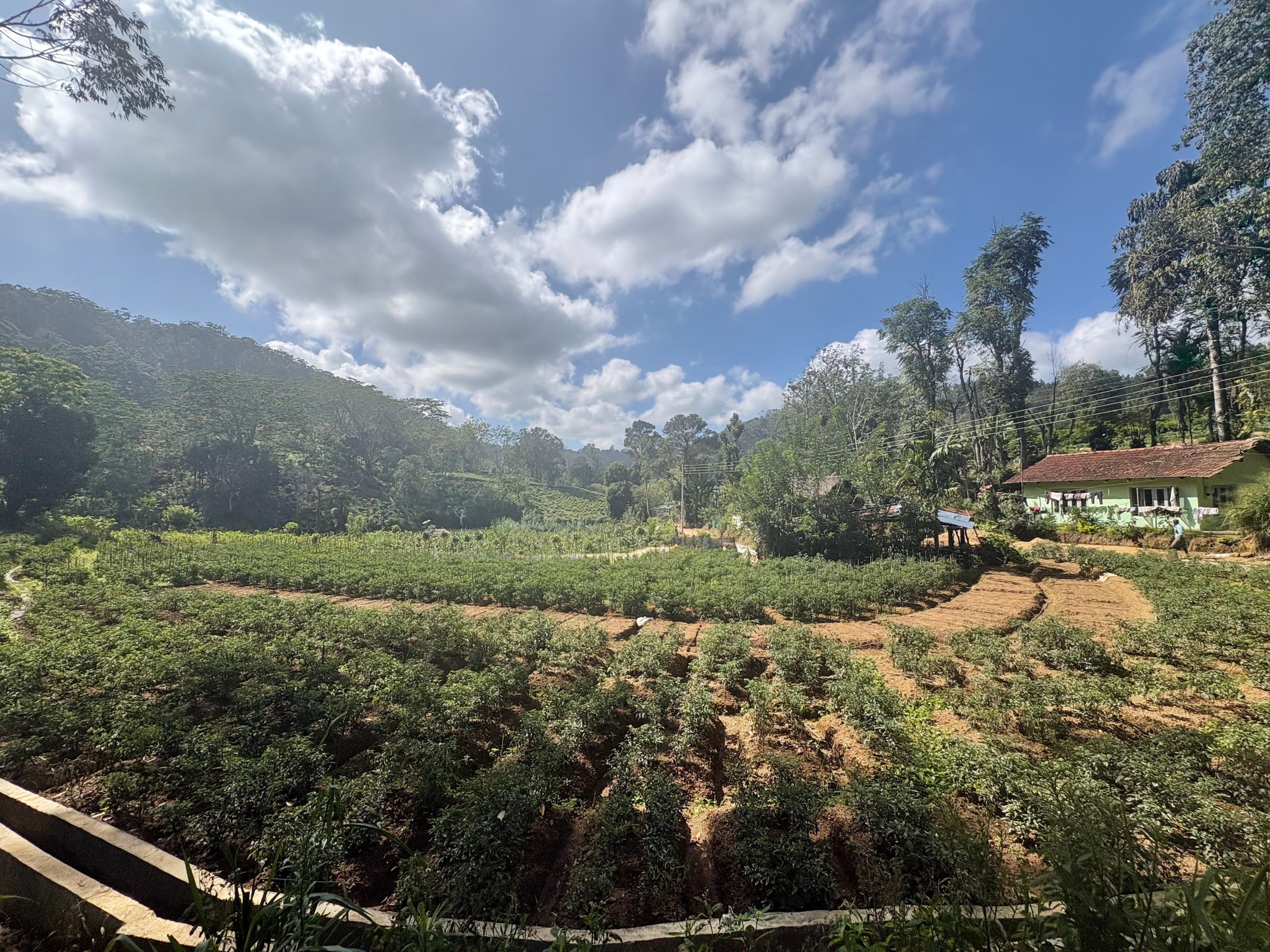
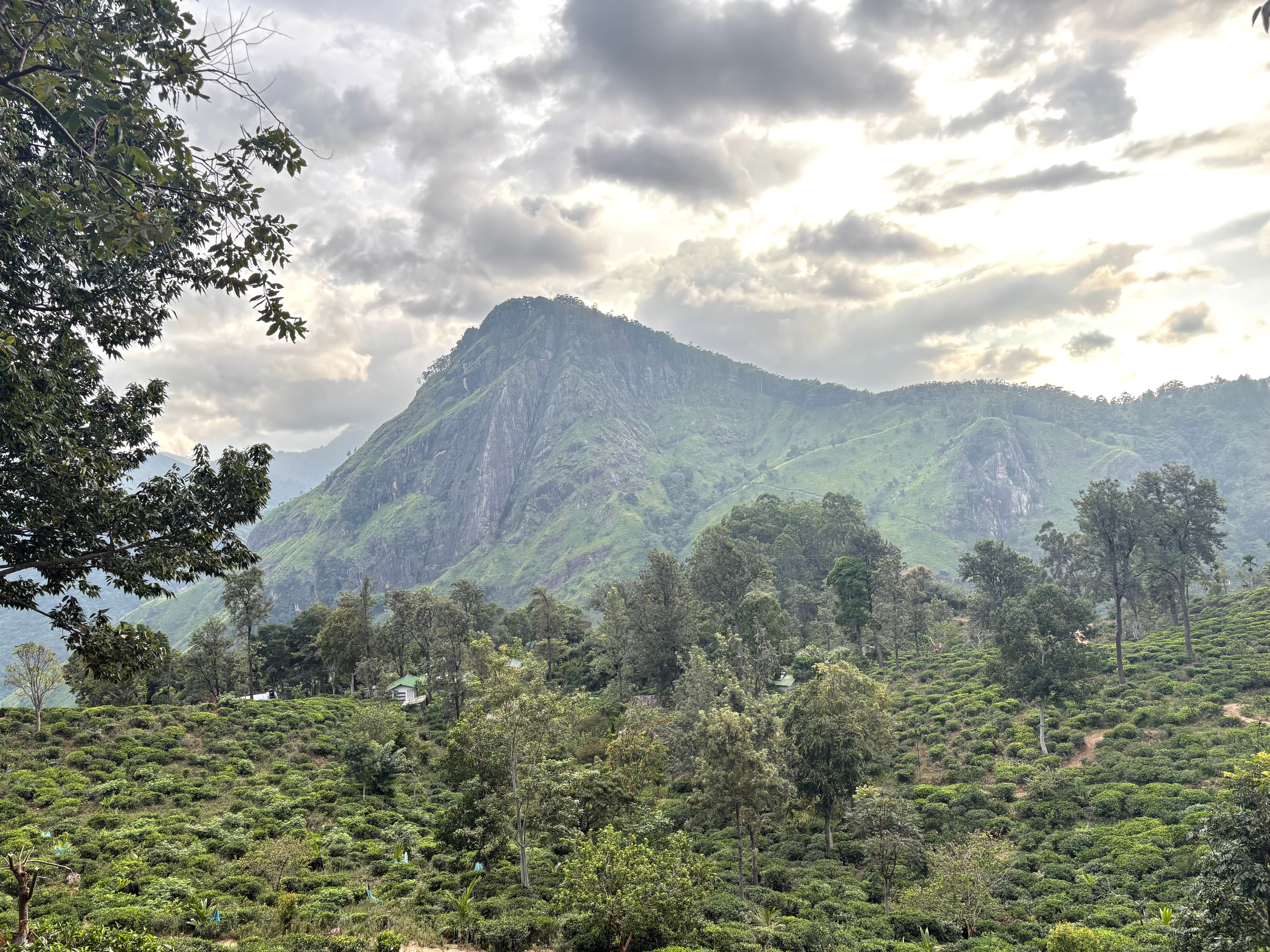
The trail starts with some gentle uphill through tea estates and then — as it becomes steeper — it takes you through eucalyptus forest to the summit. You may see monkeys along the way. There are a few rocky parts along the trail where you might choose go on hands and knees a little, depending on your balancing skills, but you should be upright for almost all the time. When you get to the top, you’re rewarded with fine views — although there’s a hut with a ticket window and you have to pay a small amount to reach the look-out points.
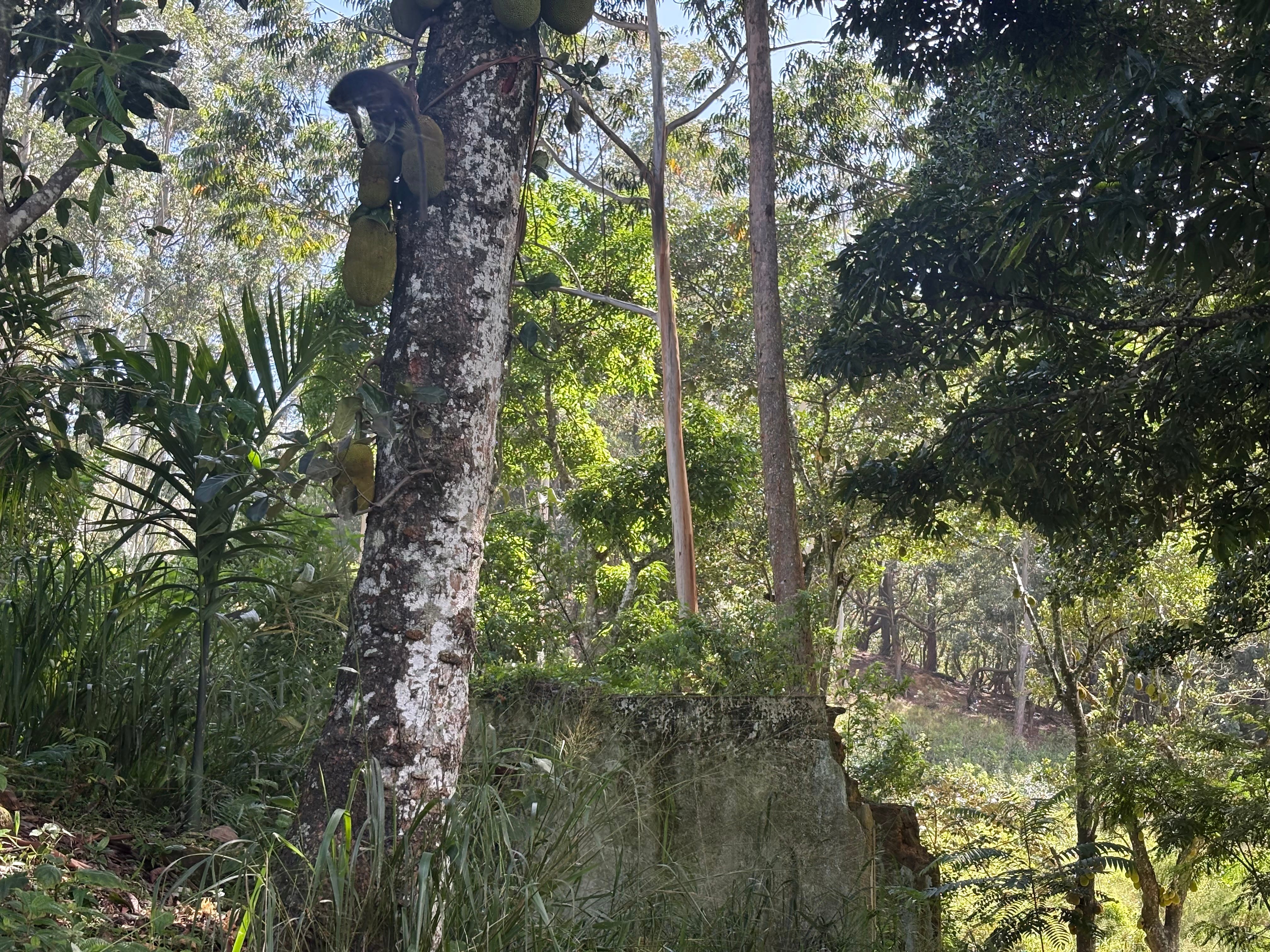
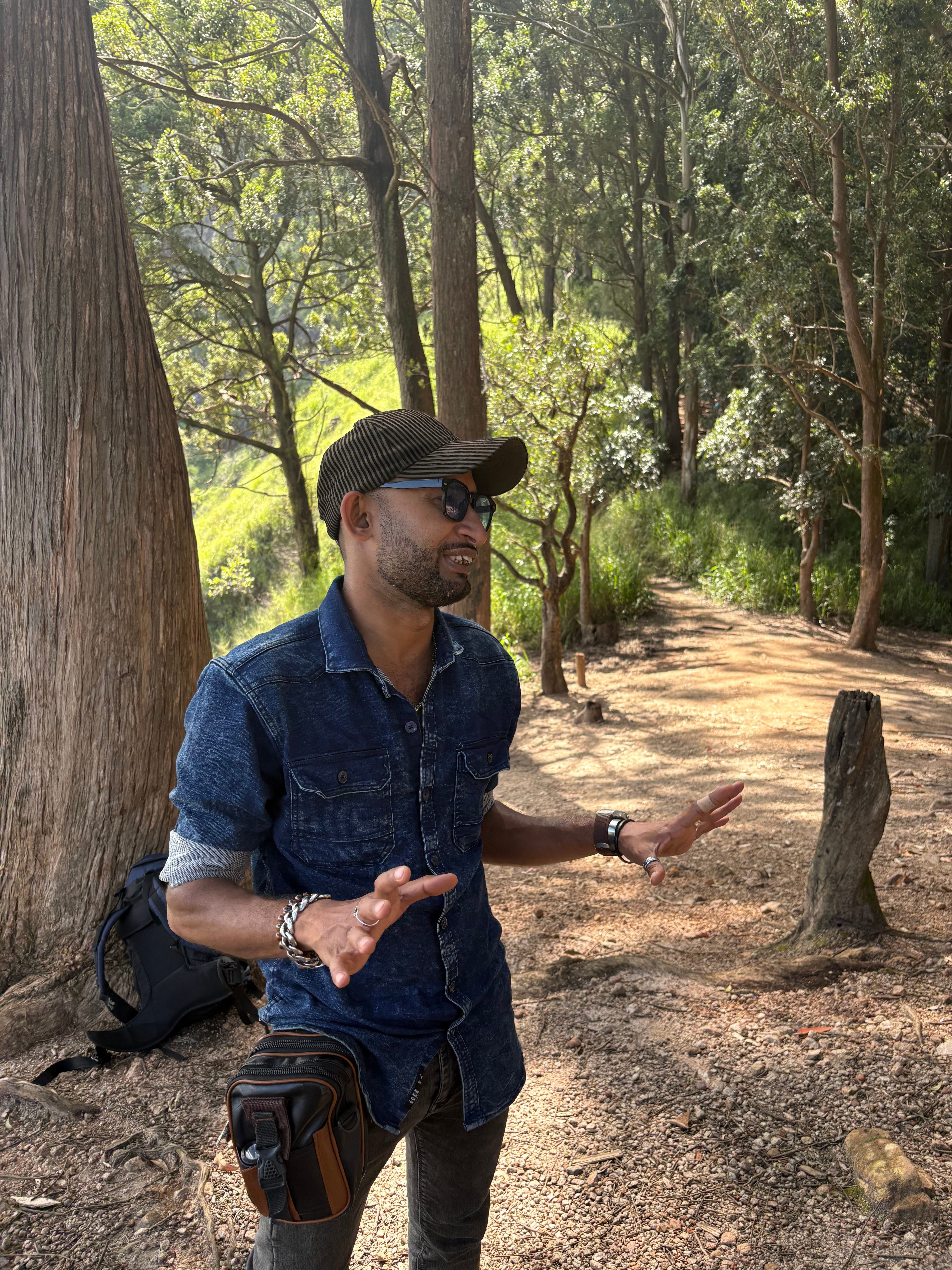
Many visitors guide themselves up to Ella Rock. However, you’d need to rely on GPS, as the route isn’t obvious at all points. We decided to hire a guide, in part because we wanted a driver for the whole day, and the guide came with one. And we were glad we did. He took us down a different way for much of the way from how we ascended, and showed us things we would otherwise have missed. His name is Dinuka, but he goes by “Dinu.” His WhatsApp is +94 75 098 1007. Be sure to contact him if you’re ever headed to Ella. He has a real passion for the outdoors.
Don’t confuse Ella Rock with a nearby climb to Little Adam’s Peak. We did that later the same day, but that one is really more of a short uphill walk on a well-curated path. There’s another hike not too far away that takes you to the top of “actual” Adam’s Peak — without the “Little” — but it’s difficult to do in a day if staying in Ella. If I go back, I’d like to do Adam’s Peak, but would stay in Nallathanniya or possibly Nuwara Eliya. However, those places are not on the railway, so you’d need more time to plan a trip that takes you there as well as on the scenic train. Ella offers the most accessible hiking if your time in Sri Lanka is limited and you want to pack in other things as well.
Nine Arches Bridge
The third thing to do during a day in Ella is a visit to Nine Arches Bridge. It’s a railway bridge built of concrete and cement, completed in 1919 under the supervision of the British when Sri Lanka was a colony called Ceylon. It was quite the engineering challenge, as it had to accommodate a nine-degree curve and a gradient.
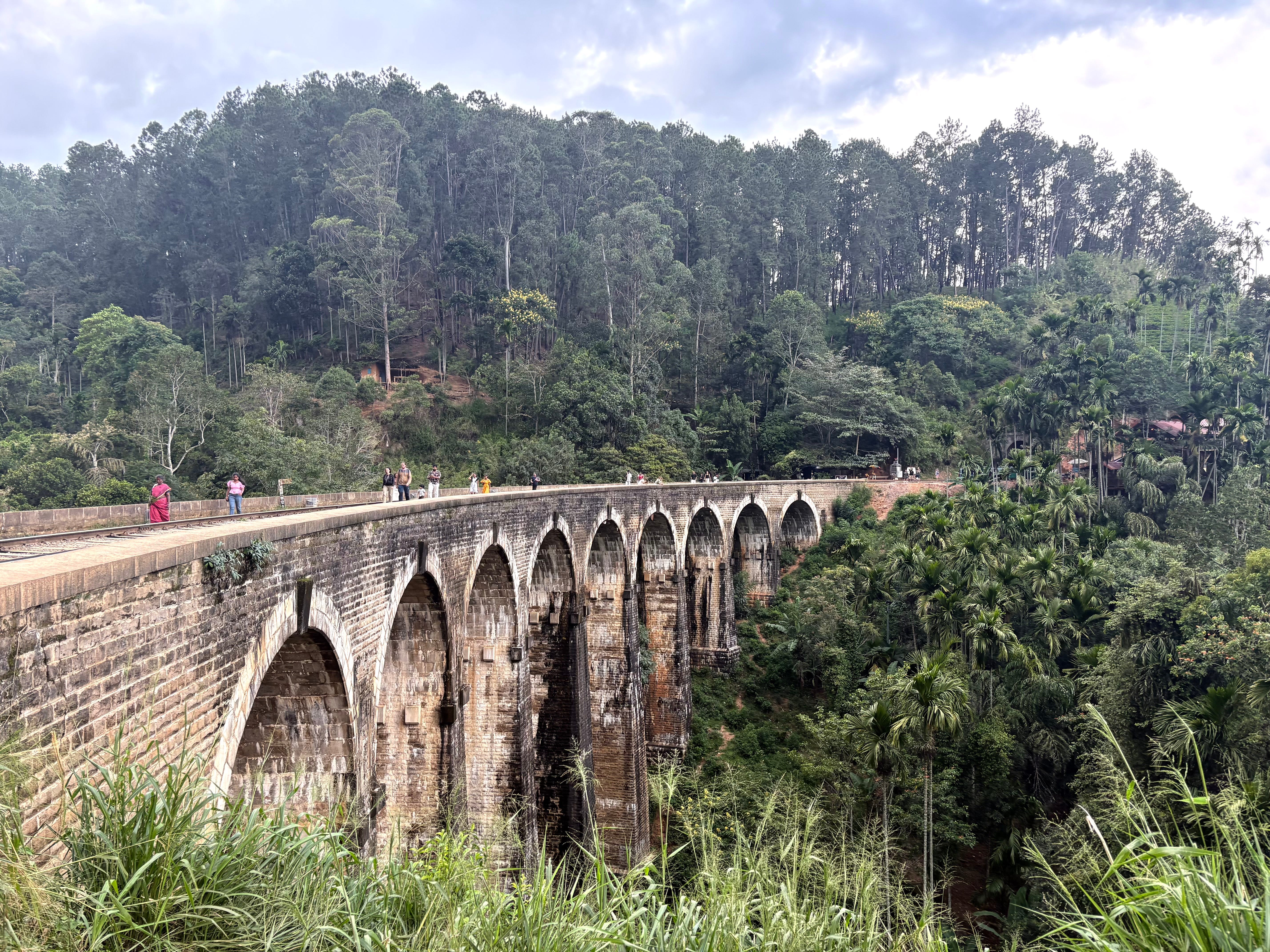
We did about 20,000 steps in Ella that day, but getting to the bridge involved the fewest of the three things. It might be a challenge to fit in all three without a guide/driver, especially if you want to allow time for lunch along the way.
The community dogs of Sri Lanka
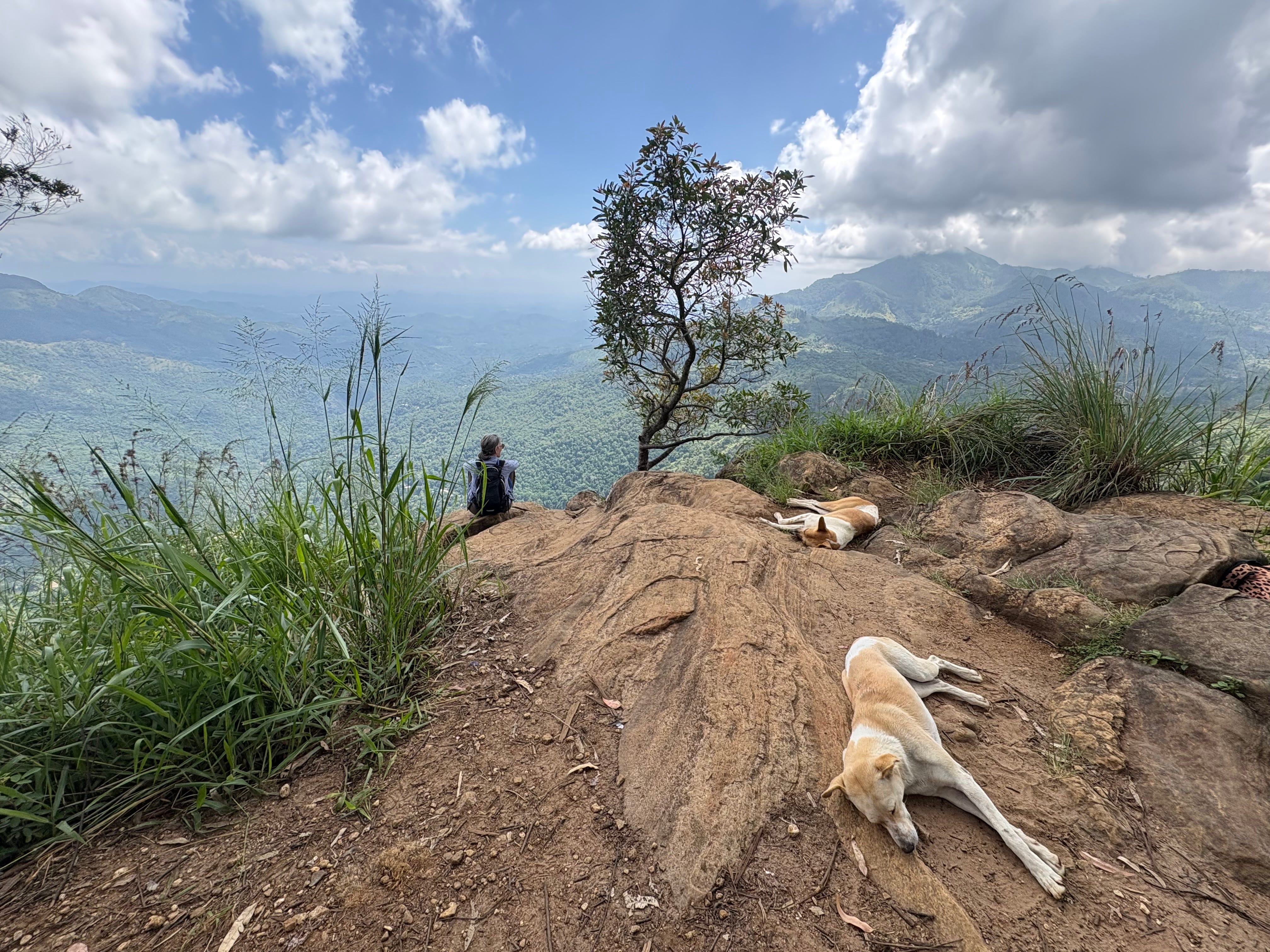
Dinu — our guide — has a great love for animals. I’ve written in the past about how Istanbul has community cats, ones all over the place that are not owned but are looked after collectively by neighborhoods. In Sri Lanka, there are community dogs. They are street dogs, in the sense of not being owned. But they are well fed and genial in their overall demeanor. Some mix with other dogs wearing a collar who, presumably, are more like conventional pets that are allowed to wander the streets before returning home. In Ella, the dogs are not only on the streets. They are also to be found on Ella Rock and Little Adam’s Peak.
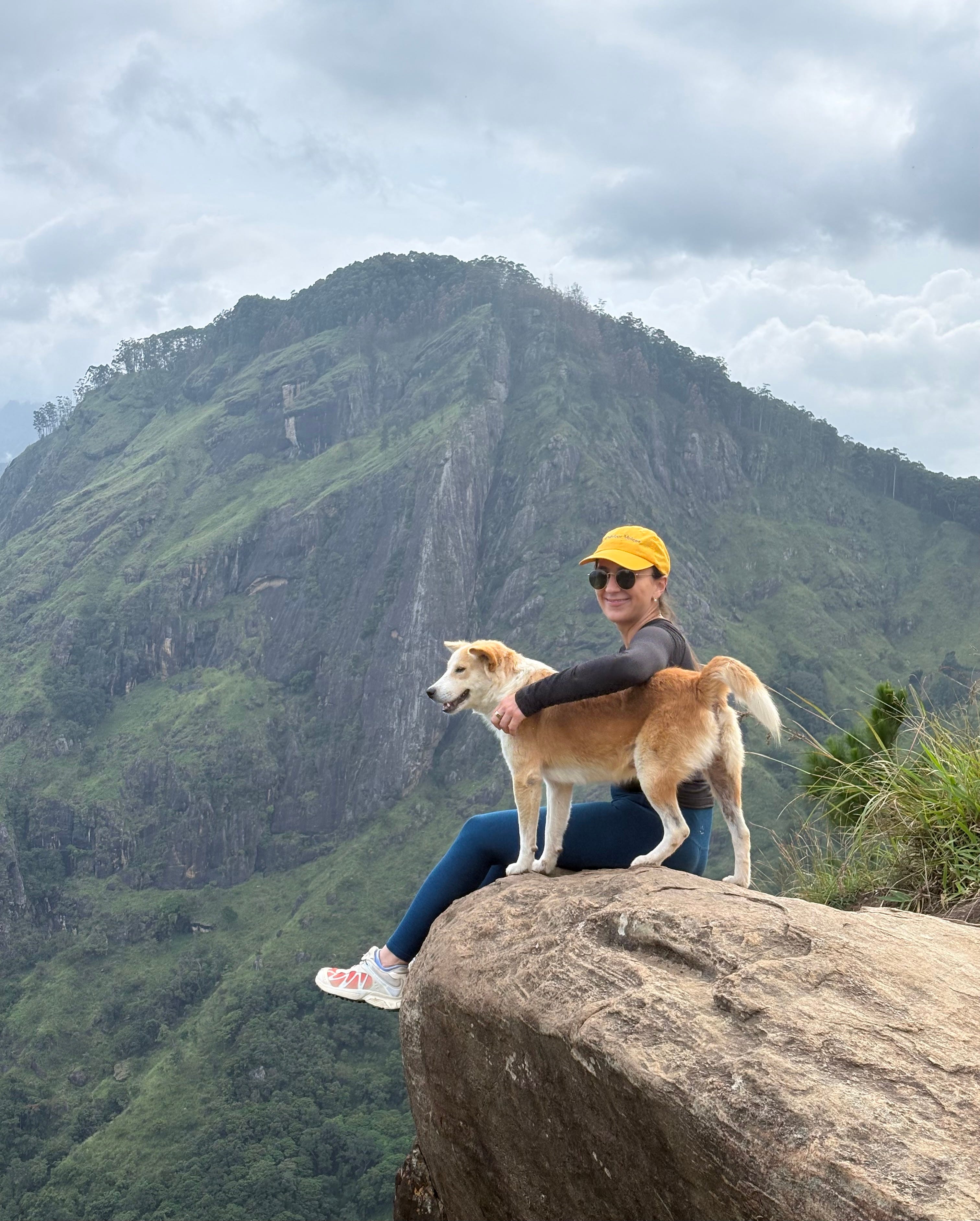
When we reached the top of Ella Rock, Dinu was greeted by a couple of the dogs who live up there and know him well. Their excitement upon seeing him was palpable, as he comes with a supply of treats. More than that, he brought first aid to treat the injured paw of one of them who some months earlier had taken a serious fall from the top of the mountain.
One of the dogs followed us all the way down from the peak until we got back to our vehicle. It waited patiently when we took a break midway while Dinu served us orange pekoe tea in coconut shells with English-style biscuits.
Sri Lankan street dogs are pretty chill. You see them sprawled asleep across the street, oblivious to oncoming traffic veering around them. Sri Lanka is a mostly Buddhist country, and Buddhism fosters deep love and respect for living creatures of all types as fellow beings with consciousness and the capacity to suffer. The emphasis on not harming animals, and showing them compassion, is rooted in rebirth doctrines where any living creature could be a past relative.
Some recent contrasting history
Buddhist culture fosters an overall gentleness and kindness that we noticed in many of our interactions during our short visit to Sri Lanka. It felt hard to reconcile that with the fact that this relatively small nation was host to one of the world’s longest and most vicious civil wars of modern times.
The Sri Lankan civil war was fought from 1983 to 2009. It pitted the Sinhalese-dominated government against Tamil separatist insurgents in the north, and the fighting led to almost 30,000 deaths and numerous casualties beyond that. The government forces eventually prevailed and, today, Sri Lanka is a peaceful nation. However, corruption at high levels has deprived its people of some of the benefits of peace.
Sri Lanka’s peace was briefly broken in 2019 with a series of bombings on Easter Sunday, striking three of Colombo’s best hotels and various Christian sites, killing 269 people, including at least 45 foreign nationals. The bombings, attributed to a local ISIS chapter, seem to have been an isolated atrocity. Muslims make up about 10 percent of the country’s population. There is no evidence of widespread support in that community for fundamentalist extremism. Still, all upscale hotels in Colombo now screen the bags of incoming guests and visitors.
In praise of hotel balconies
We stayed in three hotels on this trip. And we had a balcony in each of them. It was no coincidence. When I travel, I often make a point of seeking out hotels and specific room categories with balconies. I enjoy being able to soak in a place from the comfort of my own space. A balcony turns an ordinary room into a lookout. In crowded cities, especially, a balcony is a humane gesture, an acknowledgment that people need more than just enclosures. It is a modest luxury.
Balconies with views of nature can be great. But I especially like balconies that allow me to watch people in a city going about their days. Time spent on a city-facing balcony can be a halfway between going out and staying in. And while high floors can deliver great panoramas, lower ones can make you more intimate with life on the street.
I recall once checking into the Sheraton in Doha with my son — a great, classic hotel that I recommend to anyone visiting that city — and the front desk staff being puzzled as to why we would turn down an “upgrade” to a room whose balcony faced the ocean in favor of a standard city view. But at night, there is nothing to see when facing the ocean. Even during the day, an ocean view often lacks life. But the city view represented an illuminated living and moving tapestry.
The best balcony on this trip was at the Galle Face Hotel in Colombo, a fine old colonial hotel in which I first stayed over 40 years ago. Our balcony there was enormous, more like a terrace. It overlooked a corniche-like promenade, and so combined views of both ocean and city.
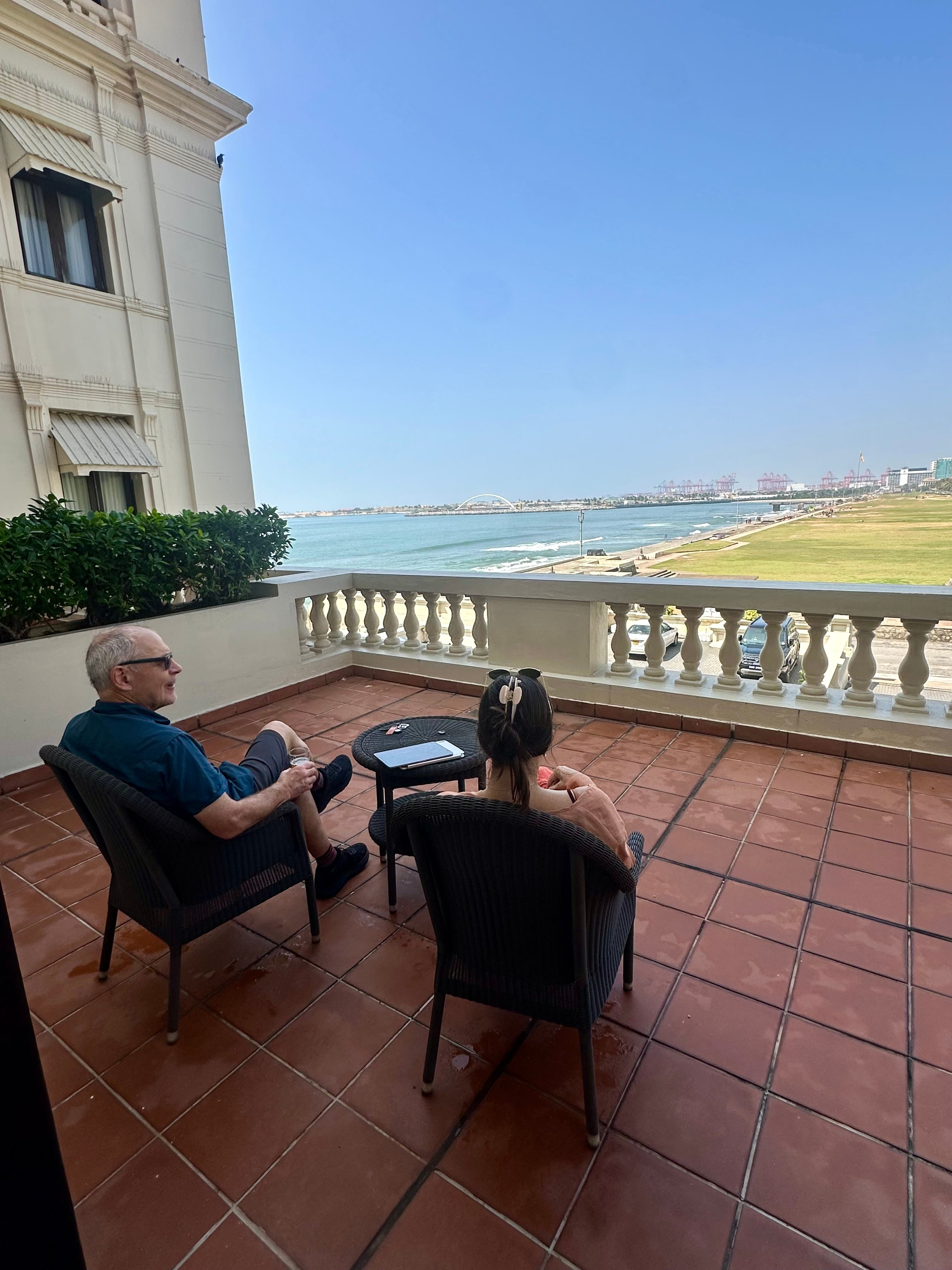
But balconies often don’t get used. There’s something aspirational about them, as though they beckon to a lifestyle enhancement on which people tend not to follow through. Sort of like New Year gym memberships. Advertising often shows idealized versions of balcony usage, with good-looking couples in white bathrobes enjoying freshly squeezed orange juice as they gaze at one another or read the New York Times. But the reality is that actual users of hotel balconies are often just smokers getting a quick fix. And when I go to cities like Miami or Vancouver, with endless high-rise apartment buildings with balconies, I see hardly any people out there on them, whatever the time of day or weather. The house that I have called home for over 30 years has a nice balcony, but I don’t use it as often as I should.
With hotels, however, I do make a point of using them. Often with coffee in the morning or, later in the day, with a cold beer or while nursing some duty-free scotch.


Sri Lankan Airlines mini-review
Next, some thoughts about Sri Lankan Airlines. We non-revved from the U.S. to London on British Airways and picked up Sri Lankan from there. We split up for the return journey as we were headed to different places, but I took Sri Lankan back to London as well. We can’t list for Business on that airline, so my comments about it reflect rides at the back of the plane.
Like many national carriers, Sri Lankan provides an instant introduction to the country. The service was good, the food was fine, and the drinks trolley well stocked. So it checks some essential boxes. It’s also part of Oneworld, meaning you can get your benefits and perks if your loyalties are to that alliance. But be prepared for some slightly shabby and old-fashioned aircraft interiors. And, likewise, don’t expect the latest and greatest cabin technology. My seat-back screen was doing odd things in both directions. None of that bothered me particularly, but if you are looking for the most slick airline experience, you may want to choose another carrier.
The seats in coach have footrests. Personally, as a male of average height and weight, I find these are never really useful or comfortable in economy seats, and they can get a bit in the way of stretching out your legs. But my wife — with a more petite frame — thought it was a nice feature.
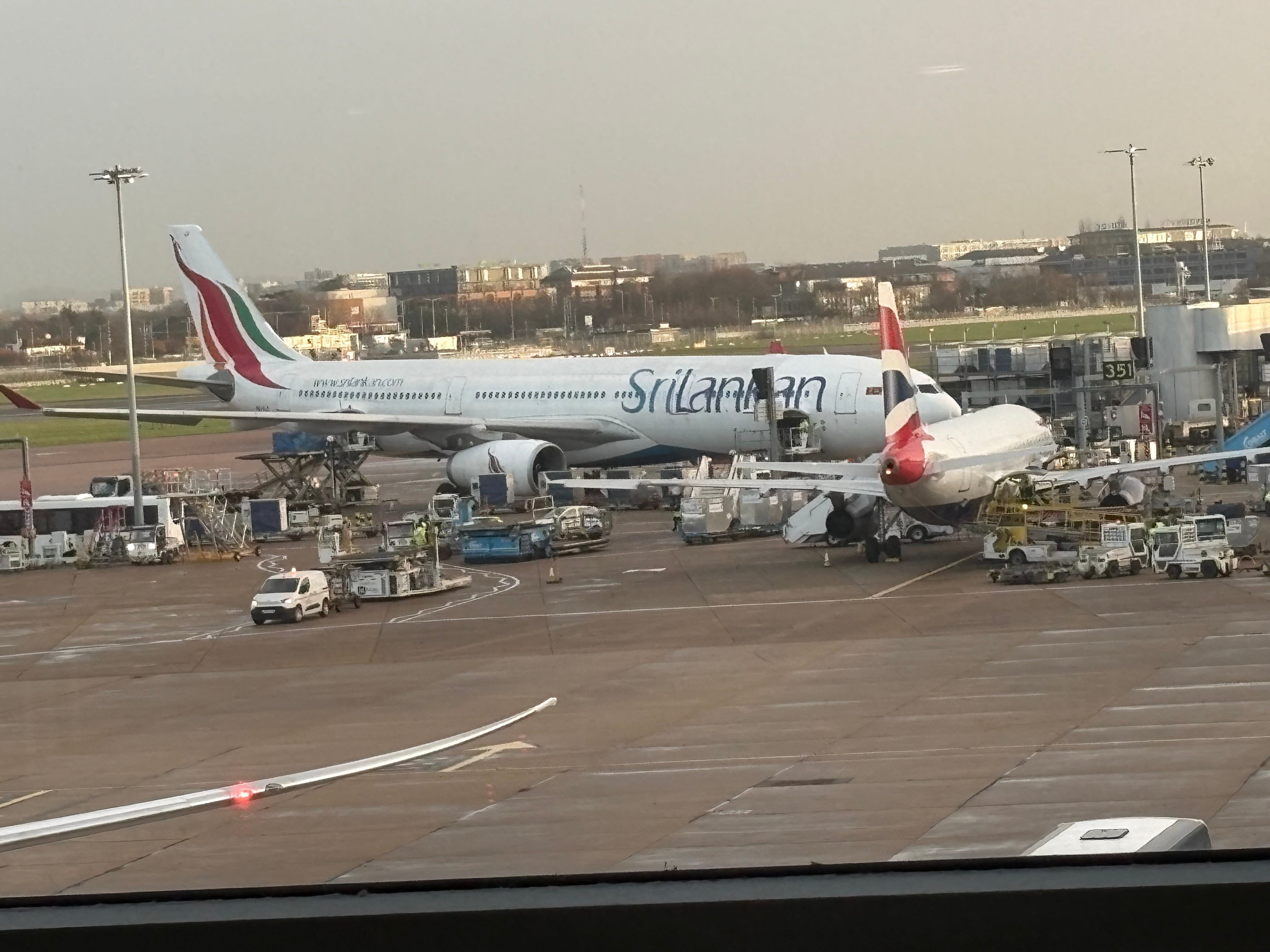
Sri Lankan flies Airbus 330’s to Europe (currently only to London, Frankfurt, and Paris), the Middle East, Australia, and various destinations across Asia. The A330 is one of my favorite aircraft, due to its two-abreast seating on the window in economy. But the airline’s route network doesn’t touch the United States (and never has, I believe).
No U.S. or European airlines currently fly to Sri Lanka. So if you want a one-airline route from the U.S., you have four options if taking the eastbound route — Emirates, Etihad, Turkish, and Qatar. And if approaching from the other direction, the options that come to mind are Cathay and Singapore. You could also take Air India if you want the shortest connecting flight — and that could mean approaching from across the Atlantic or Pacific, depending on where you start.
Non-revving on Sri Lankan
If you’re non-revving, you’ll find Sri Lankan doesn’t do gate standby either in its home base of Colombo or at its destination cities. Nor does it allow online check-in for non-revs. If the flight is sufficiently open, you’ll get accepted when you arrive at airport check-in. But if it’s looking a bit full, be prepared to be told to return closer to when check-in closes. I find that airlines with that arrangement sometimes keep you standing by longer than necessary — eating perilously into airside lounge time — but there’s not much you can do.
I don’t know what happens if you do show up at the gate as a standby if you’re connecting from another airline. Whether you can get away with that may depend, in part, on the specific airport in terms of whether they’ll let you get to the departure gates without a boarding pass.
It’s difficult to get reliable load information if non-revving on Sri Lankan. You may get a response on the crowd-sourced Staff Traveler app, but don’t count on it. I found that most of my load requests went unanswered (I’d considered a variety of routes, including picking up Sri Lankan in Tokyo). Overall, though, the airline does treat non-revs well. On the London-to-Colombo flight, we’d bought bags of Trader Joe’s holiday candy for the crew. And they, in turn, brought a half bottle of champagne to our seats.
Other non-rev notes
Although we were at the back of the plane on the Sri Lankan flights, we fared better on the others. My wife scored standby Business on Qatar on the first of the two segments taking her back to the U.S. I got Polaris Business on United from London back to Los Angeles. And we were both upgraded by the cabin crew on the British Airways flight that took us to London at the start of our trip.
What made the BA upgrade even better was that it was to the airline’s new Club Suites, which they are still in the process of rolling out to replace their very dated Club World cabins with the dismal 2-3-2 and 2-4-2 layouts. The new 1-2-1-configured “suites” with privacy doors to the aisle are a massive improvement. Indeed, the individual pods are so private that even with the privacy screens lowered between the two center seats, it is quite difficult to talk to the person next to you.
Getting upgraded by the flight attendants when non-revving isn’t something that ever happens on many airlines. It will never happen on any of the major Middle Eastern carriers, for example. But it does occasionally happen on some airlines.
You should never ask outright, but it never hurts to let the crew know that you are non-revs — especially if you know there are empty premium seats. (While perhaps looking puzzled as to where you should sit.)
Your luck can depend on who you interact with upon boarding and how. We boarded the BA flight right at the end. The cabin crew were upgrading the partner of one of their own who boarded at the same time — but hadn’t been given the upgrade at check-in for some reason — and we just happened to be in the right place at the right time as non-revs. We’d bought gifts for the crew, but the upgrade occurred before they even took that in. The lead flight attendant seemed a bit confused as to who we were at first. It all happened quickly, with her just directing us to a row number that differed from the one printed on our boarding passes — and which happened to be in the back of the forward Business Class cabin. The word “upgrade” was never mentioned. No new boarding pass was issued. We just followed crew member instructions, sitting where we were told.
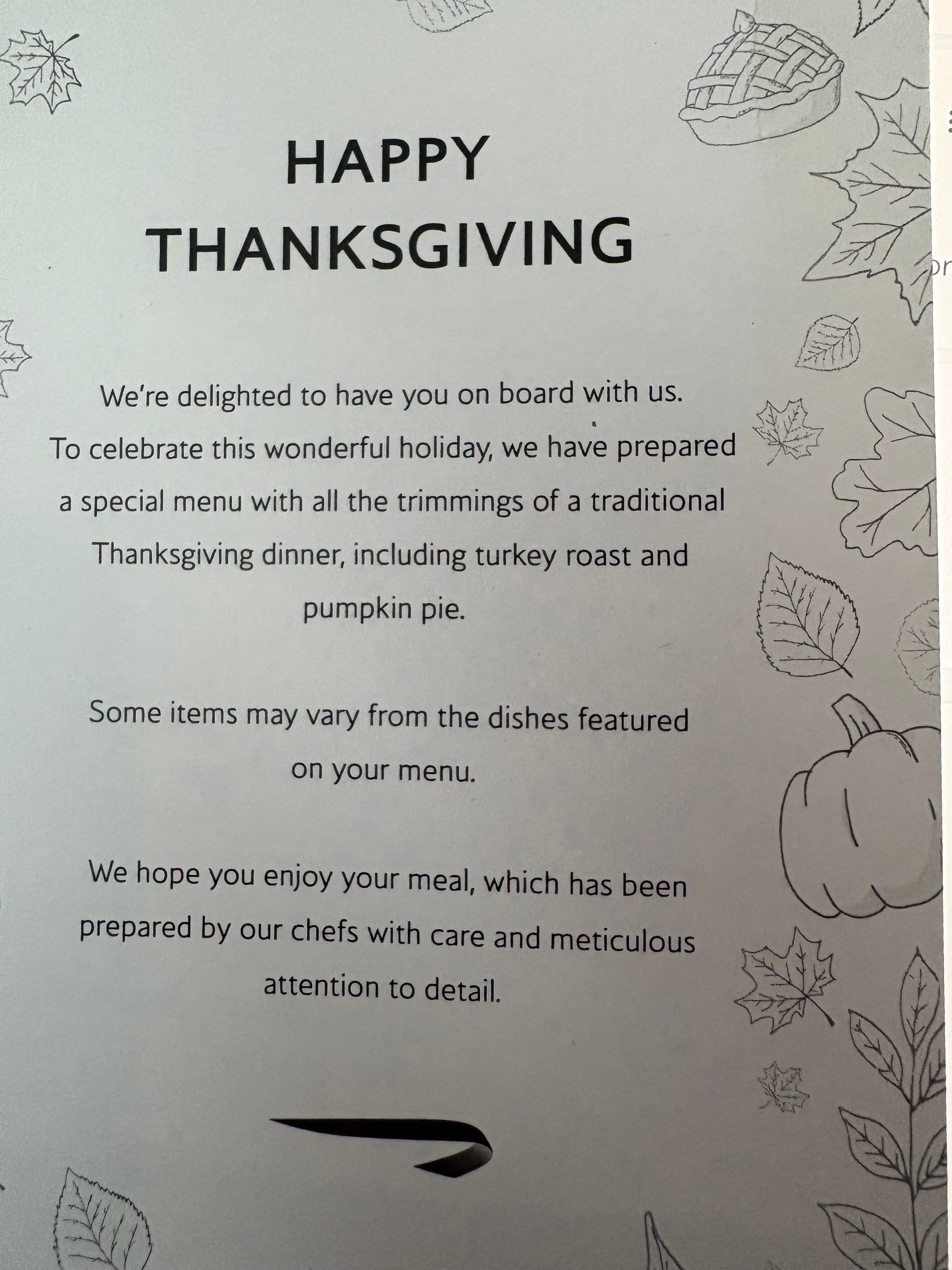
It was Thanksgiving night, and BA had a menu option in Business Class with turkey and trimmings. ✈️ 🦃
If you’ve stumbled across this post, please consider subscribing to this blog using the button below. It covers the intersection of running, travel, and aviation. Subscribing costs nothing (and never will). You’ll get an email every couple of months or so with new posts. Please also share this post with anyone you think might be interested.
Thanks for reading FlyRun Dot Fun!